
A reflection from Westcotec’s Managing Director, Chris Spinks.
A road can look reassuringly familiar while presenting very different risks from whatever we encountered on our journeys yesterday. As autumn progresses, darker journeys, rain and deteriorating visibility make that distinction increasingly important. The route may be unchanged; the margin for error is not. For those responsible for our roads, the seasonal question should therefore be more than whether infrastructure is ready for winter. We should also ask whether drivers are receiving the right information, early enough to adjust their behaviour before they reach a hazard.
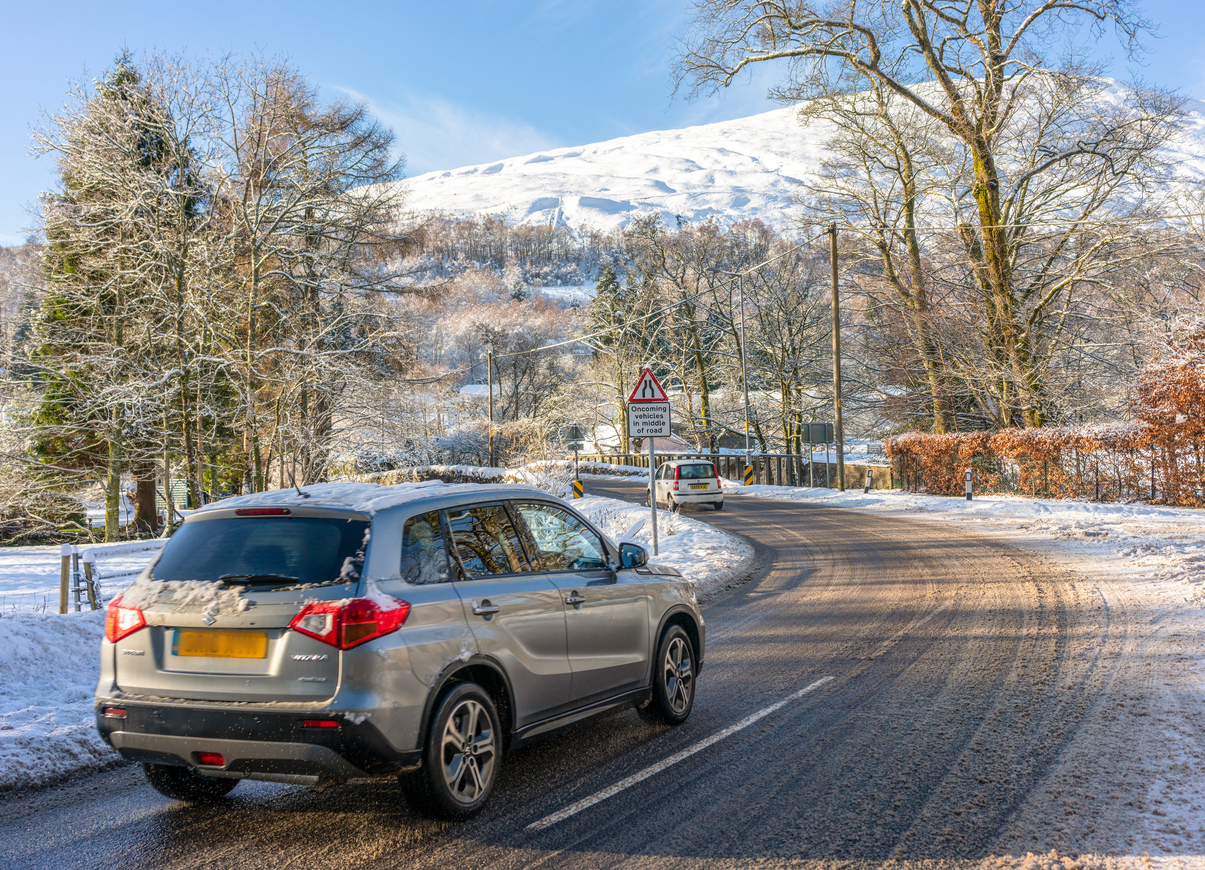
Most drivers understand that poor weather requires greater care. The difficulty is translating that general awareness into a specific decision: reducing speed before a bend, allowing more space or recognising that a familiar stretch of road now demands a different approach. The Highway Code makes the implications clear. In wet weather, stopping distances will be at least double those required on dry roads. In icy conditions, they can be 10 times greater. These are substantial changes, yet a posted speed limit remains the same whatever the weather. It is a maximum, not a target for every journey.
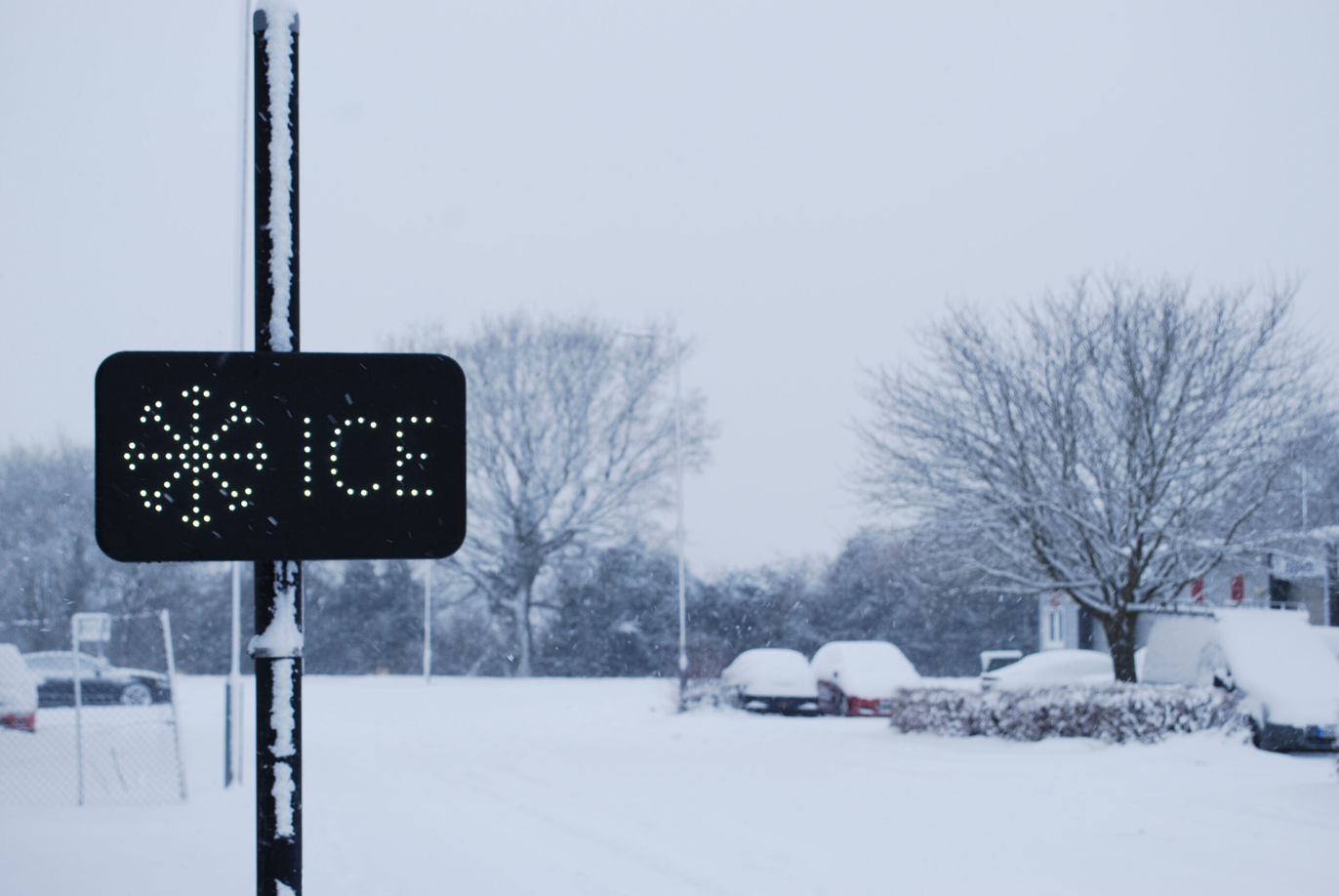
This is where responsive roadside communication has an important role. A warning linked to conditions at a particular location can bring a general safety message into sharp focus. It tells a driver not simply that an autumn journey can be hazardous, but that there is something here, now, requiring attention. At Westcotec, we develop warning signs that can be activated by weather conditions and other external triggers, alongside specialist flood warning systems. The purpose is straightforward: to help communicate a relevant hazard while there is still time for a driver to respond safely.
As always, technology alone is not the answer. The quality of an intervention depends on understanding the site, choosing the appropriate message and positioning it where it supports a calm, considered response. A warning should help drivers anticipate, not leave them reacting abruptly at the last moment.
Credibility matters too. We should aim for messages that are clear, proportionate and connected to the risk they describe. The objective is not to clutter the roadside with more and more signs, it is to make essential information more useful.
For highway authorities, autumn offers a practical opportunity to review locations where conditions can change quickly. Where does water accumulate? Which approaches need clearer warnings? Are existing signs visible, functioning correctly and appropriate to the hazards they are intended to address?
That review should sit alongside drainage maintenance, winter service planning, enforcement and public information. Intelligent signs complement those measures; they do not replace them. Nor do they remove the driver’s responsibility to observe conditions and choose a safe speed.
My view is that seasonal road safety needs to move beyond familiar reminders alone. We need to connect awareness with action, using the roadside environment to reinforce safer decisions at the places where they matter most. As the days shorten, the challenge is not simply helping drivers see a sign. It is helping them recognise what has changed, understand the risk and respond in time.